Experience guide
Walking Safari in Tanzania — On Foot in the Wild
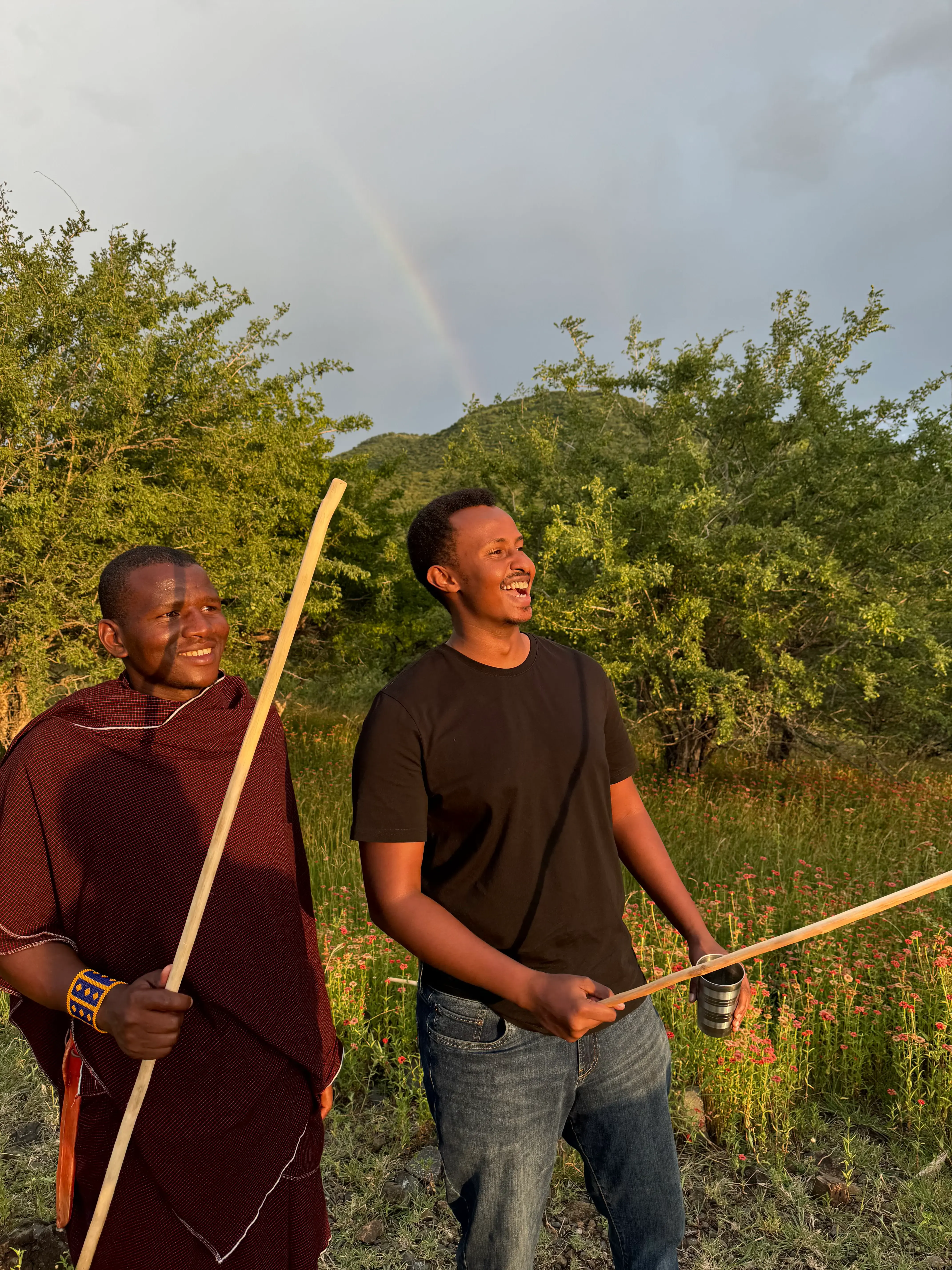
No engine noise, no roof. Just you, an armed ranger, and the African bush at eye level.
Why Walk Instead of Drive?
A walking safari strips away the metal shell of the vehicle and puts you on the ground, in the world. You feel the heat, smell the soil, hear every bird call, and see the bush from the perspective of the animals themselves.
You will not see as many big animals as on a game drive — and that is the point. Walking safaris are about the details: insect tracks, bird calls, dung beetles, medicinal plants, and the subtle signs that reveal a leopard passed here two hours ago. It is about understanding the ecosystem, not just checking off sightings.
Where to Do a Walking Safari
Walking safaris are allowed only in certain areas, always with an armed ranger.
- Nyerere National Park (Selous) — The walking safari capital of Tanzania. Vast wilderness, excellent guides, and abundant wildlife. Multi-day walking safaris with fly camping are possible.
- Ruaha National Park — Remote, wild, and excellent for walking. Dry riverbeds and open plains make tracking easy.
- Arusha National Park — Gentle walks near Mount Meru. Giraffe, buffalo, and colobus monkeys. Perfect for beginners.
- Tarangire (private concessions) — Some camps offer short walks on the concession borders.
- Katavi — Wild and remote. Walking here feels like true exploration.
Note: Walking is not permitted in the Serengeti or Ngorongoro Crater.
What You Will See
- Tracks and signs — Learn to read footprints, dung, feeding signs, and territorial markings
- Birds — Ground hornbills, francolins, and dozens of species missed from vehicles
- Insects and invertebrates — Dung beetles, termite mounds, and safari ants
- Plants and trees — Medicinal uses, ecosystem roles, and identification
- Smaller mammals — Mongoose, dik-dik, hyrax, and bushbaby sightings
- Big game (at a distance) — Elephants, giraffes, zebras, and sometimes lions — approached carefully and respectfully
Safety Protocols
Walking safaris are led by an armed ranger or professional guide trained in bush skills and firearm use. Safety is paramount.
- Stay behind the ranger — Always. They are trained to read animal behavior and avoid confrontations.
- Stay quiet — Talking is fine, but shouting or sudden noises disturb wildlife.
- No running — Running triggers predator chase instincts. Walk calmly.
- Follow instructions immediately — If the ranger says freeze, freeze. If they say back away, back away.
- Wind direction matters — Guides position downwind of animals so they do not scent you.
- Never approach elephants or predators on foot — These encounters are carefully managed from a safe distance.
What to Wear & Bring
- Neutral colors — Khaki, olive, brown. No bright colors or white.
- Closed shoes — Trail shoes or light hiking boots. No sandals.
- Long pants and sleeves — Protection from sun and thorns.
- Hat and sunscreen — The sun is intense, even in the morning.
- Binoculars — Essential for distant wildlife and birds.
- Water — Always carry your own bottle.
The Bottom Line
A walking safari is not about adrenaline or danger. It is about intimacy and understanding. You return to camp with dirt on your boots, a deeper appreciation for the ecosystem, and stories no game drive can provide.
Plan Your Tanzania Safari
Ready for your adventure? Book your safari with Trail Safari Explorers. Explore walking safaris, or read our Nyerere (Selous) guide.
Read our Ruaha guide,Arusha National Park guide,Katavi guide, or Southern Circuit guide.
Browse our Tanzania safaris,journal, or check travel resources.