Kilimanjaro guide
How Hard Is Kilimanjaro to Climb?
No technical climbing required — but altitude, weather, and endurance make it the ultimate hiking challenge. Here is the honest truth.
The Short Answer
Kilimanjaro is not technically difficult — you do not need ropes, ice axes, or climbing experience. But it is extremely challenging due to altitude, weather, and the sheer physical toll of hiking for 6-8 days. The summit is 5,895 meters (19,341 feet), where oxygen levels are roughly 50% of sea level.
Roughly 45-65% of climbers reach the summit, but this number jumps to 85-95% on 7-8 day routes. The difference is almost entirely due to acclimatization.
Why the Difficulty Is Not Technical
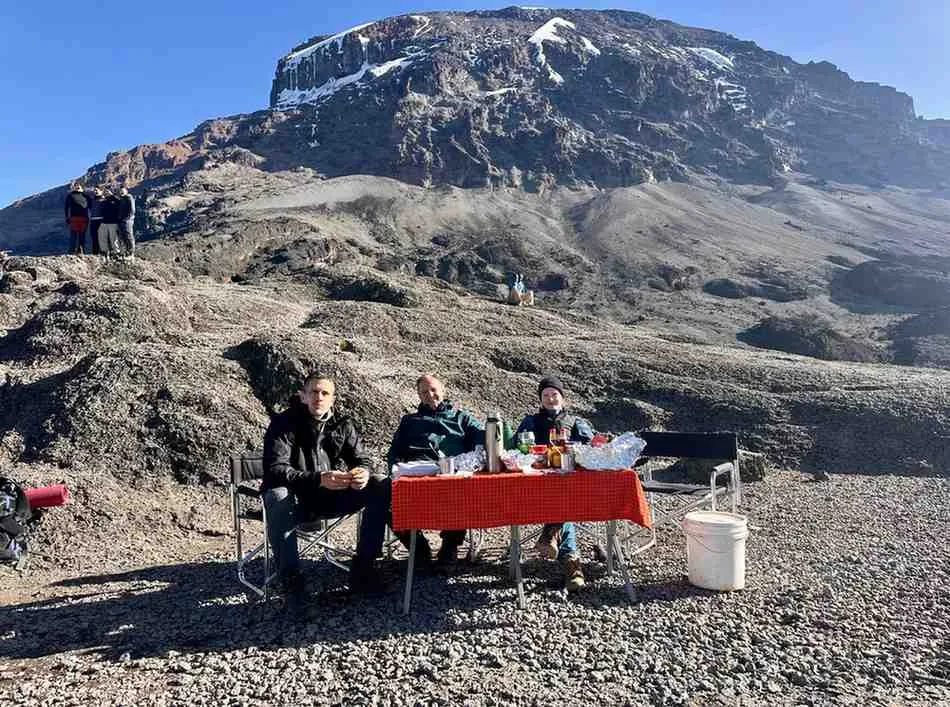
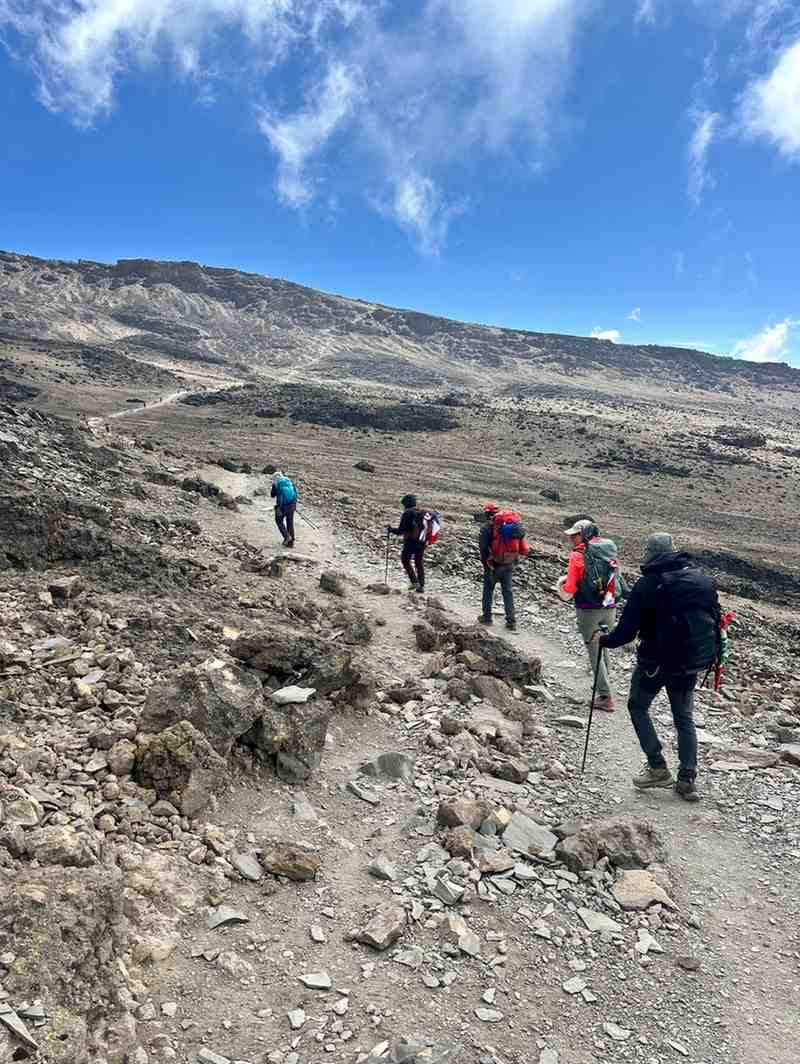
Kilimanjaro is a trek, not a climb. The trails are well-worn paths through forest, moorland, alpine desert, and scree. No section requires scrambling, rock climbing, or glacier travel (on standard routes). A fit 12-year-old and a fit 70-year-old can both summit with the right preparation.
The challenge is cumulative: long days of hiking at increasingly thin air. On summit night, you wake at midnight, hike 6-8 hours in freezing darkness, and gain 1,200 meters of elevation. The exhaustion is mental as much as physical.
Success Rates by Route
Your route choice is the single biggest factor in summit success:
Higher Success (7-8 Days)
- • Lemosho Route: 90-95%
- • Northern Circuit: 90-95%
- • Machame (7 days): 85%
Lower Success (5-6 Days)
- • Marangu (5 days): 50-60%
- • Rongai (5 days): 60-70%
- • Machame (6 days): 70-80%
Source: Kilimanjaro National Park and operator data. Individual results vary.
Altitude: The Real Enemy
Altitude sickness (Acute Mountain Sickness or AMS) is the reason most people fail. Symptoms include headaches, nausea, dizziness, and fatigue. There is no correlation between fitness and susceptibility — elite athletes can suffer while casual hikers summit.
The only reliable prevention is slow ascent and proper acclimatization. Routes with "climb high, sleep low" profiles (Lemosho, Machame, Northern Circuit) give your body time to adapt. The one-day push from Barafu Camp to the summit at midnight is when most people turn back.
Read our full altitude sickness guide for symptoms, prevention, and treatment.
Physical Preparation
You do not need to be an athlete, but you do need a solid aerobic base. If you can hike for 6-8 hours with a daypack and still function the next morning, you have the baseline fitness. The best training is hiking uphill with a weighted pack.
Recommended training:
- 3-4 months of consistent cardio (hiking, running, cycling, swimming)
- Weekly long hikes (3-6 hours) on varied terrain
- Hiking with a 5-8 kg pack in the final month
- Stair climbing or hill repeats for leg strength
- Core and stability work for balance on uneven terrain
Summit Night: The Hardest Part
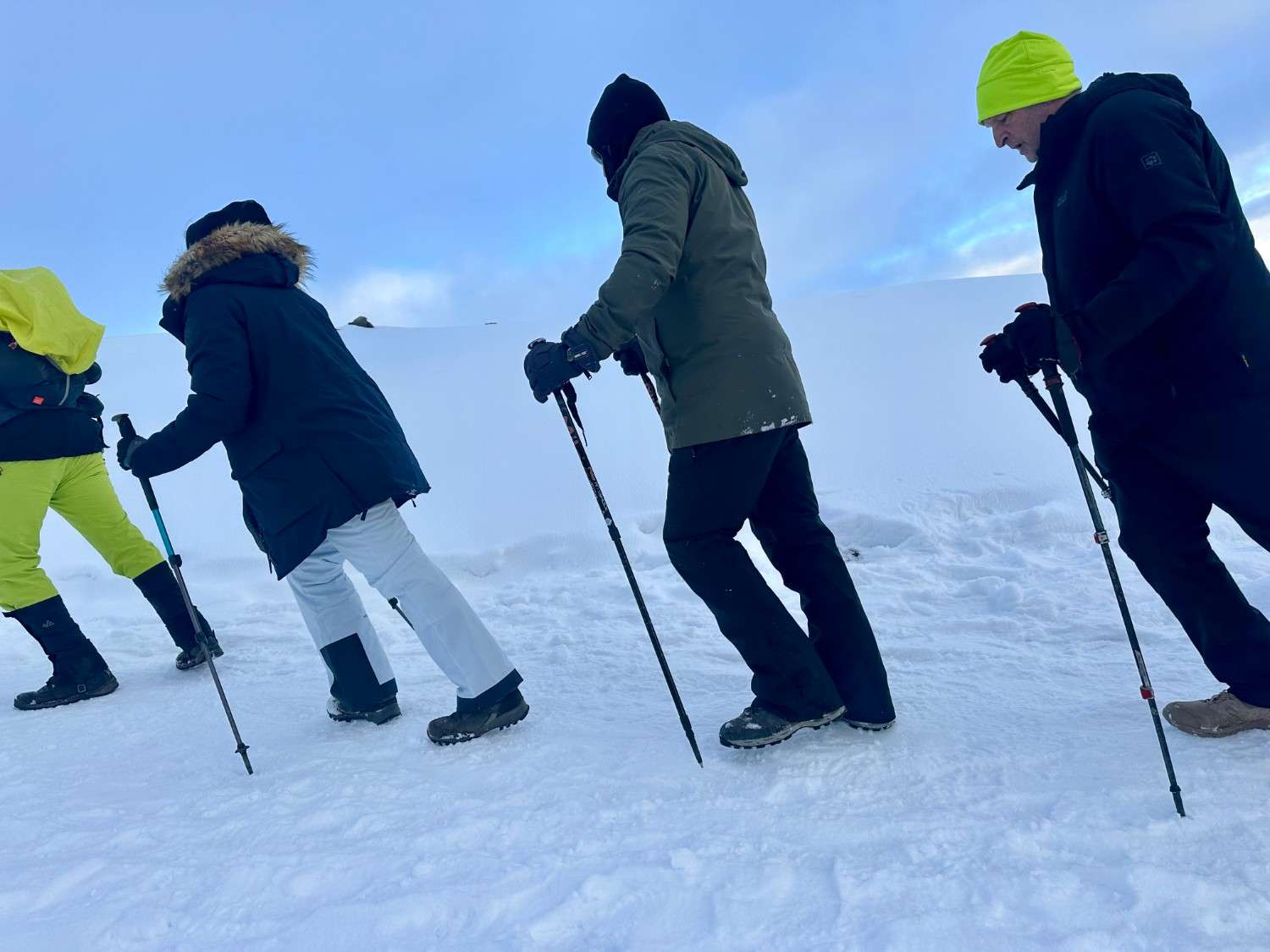
Summit night is universally described as the hardest thing most people have ever done. You leave camp at midnight in temperatures of -10°C to -20°C. The air is thin. Every step requires conscious effort. The trail is loose scree, two steps up, one step back.
The mental game is everything. Your body wants to quit. Your mind must override it. Guides tell you to focus on breathing, put one foot in front of the other, and trust the process. When the sun rises over Mawenzi Peak and the glaciers glow pink, the pain fades — and then you are at the summit.
Is It Worth It?
Absolutely. Standing on the roof of Africa, watching the sunrise from 5,895 meters, is one of the most profound experiences on Earth. The difficulty is part of what makes it meaningful. If it were easy, everyone would do it — and it would not mean as much.
Plan Your Tanzania Safari
Ready for your adventure? Book your safari with Trail Safari Explorers.Climb Mount Kilimanjaro, review the packing list, or explore the Northern Circuit Crater Camp route and Umbwe route.
Try the Kilimanjaro climbing experience, or climb Mount Longido. Browse our journal, or check travel resources.