Conservation guide
Tanzania Safari Conservation — How Your Trip Protects Wildlife
Every safari dollar funds conservation. Here is how tourism keeps Tanzania's wildlife alive and wild.
The Conservation Economy
Tanzania's national parks and reserves are funded primarily by tourism revenue. Park fees, concession fees, and lodge taxes directly finance ranger salaries, anti-poaching units, road maintenance, and habitat management. Without visitors, the system collapses.
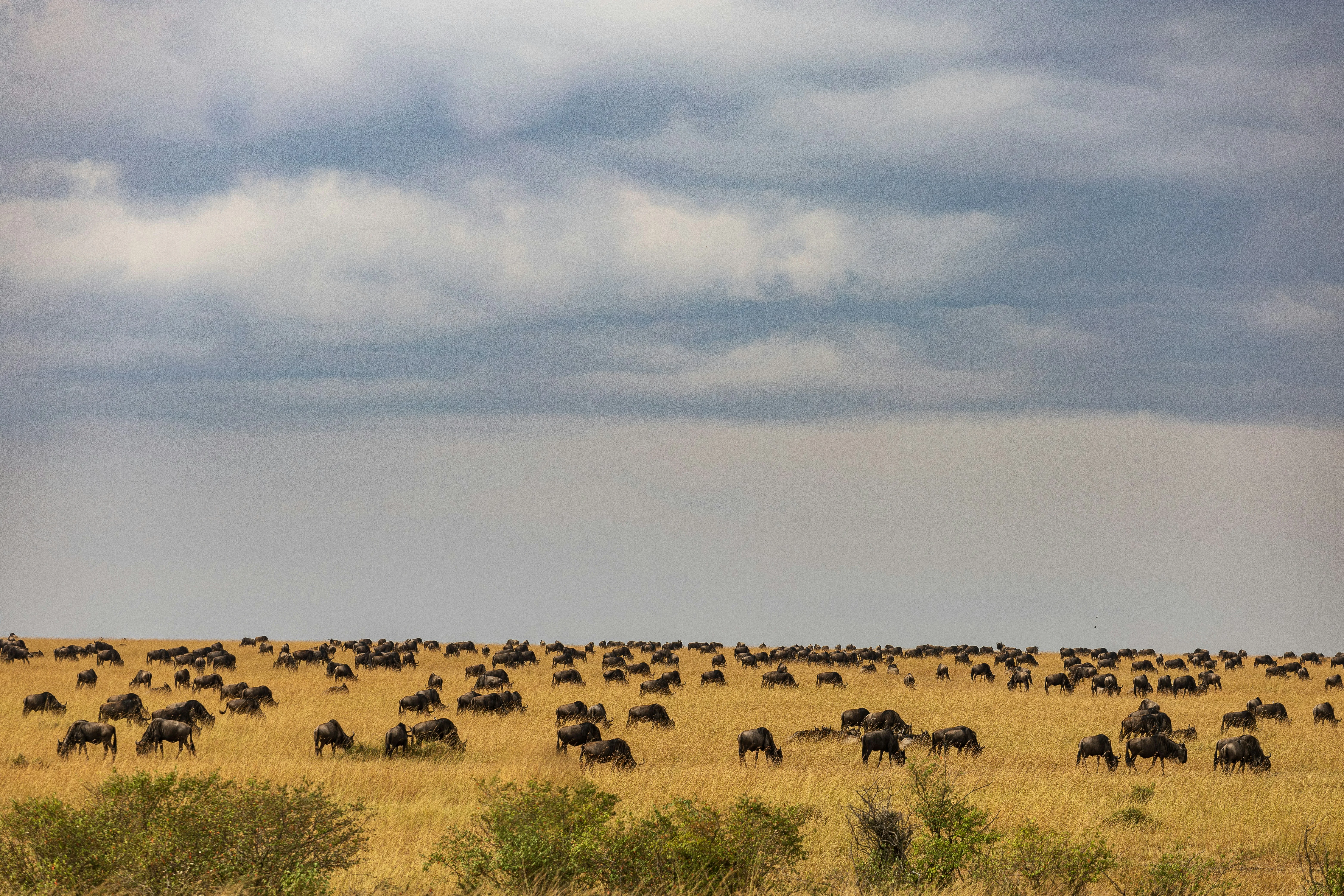
The numbers are stark: the Serengeti alone generates over $100 million annually in tourism revenue. A significant portion goes straight back into protection.
Anti-Poaching
Elephant and rhino poaching peaked in the 1980s and early 2010s, but Tanzania has fought back hard. The government deployed the "Operation Tokomeza" anti-poaching task force, increased ranger numbers, and introduced drone surveillance and K9 units.
The results are measurable. Elephant populations in the Selous (Nyerere) have stabilized after catastrophic losses. Rhino reintroduction programs in the Serengeti are showing progress. The war is not won, but the trend is reversing.
Community Conservation
Wildlife cannot survive without local community support. If communities see wildlife as a threat to crops and livestock, they will not protect it. Tanzania's best conservation programs integrate communities into the economy:
- Revenue sharing — 7.5% of park entrance fees go directly to communities bordering national parks
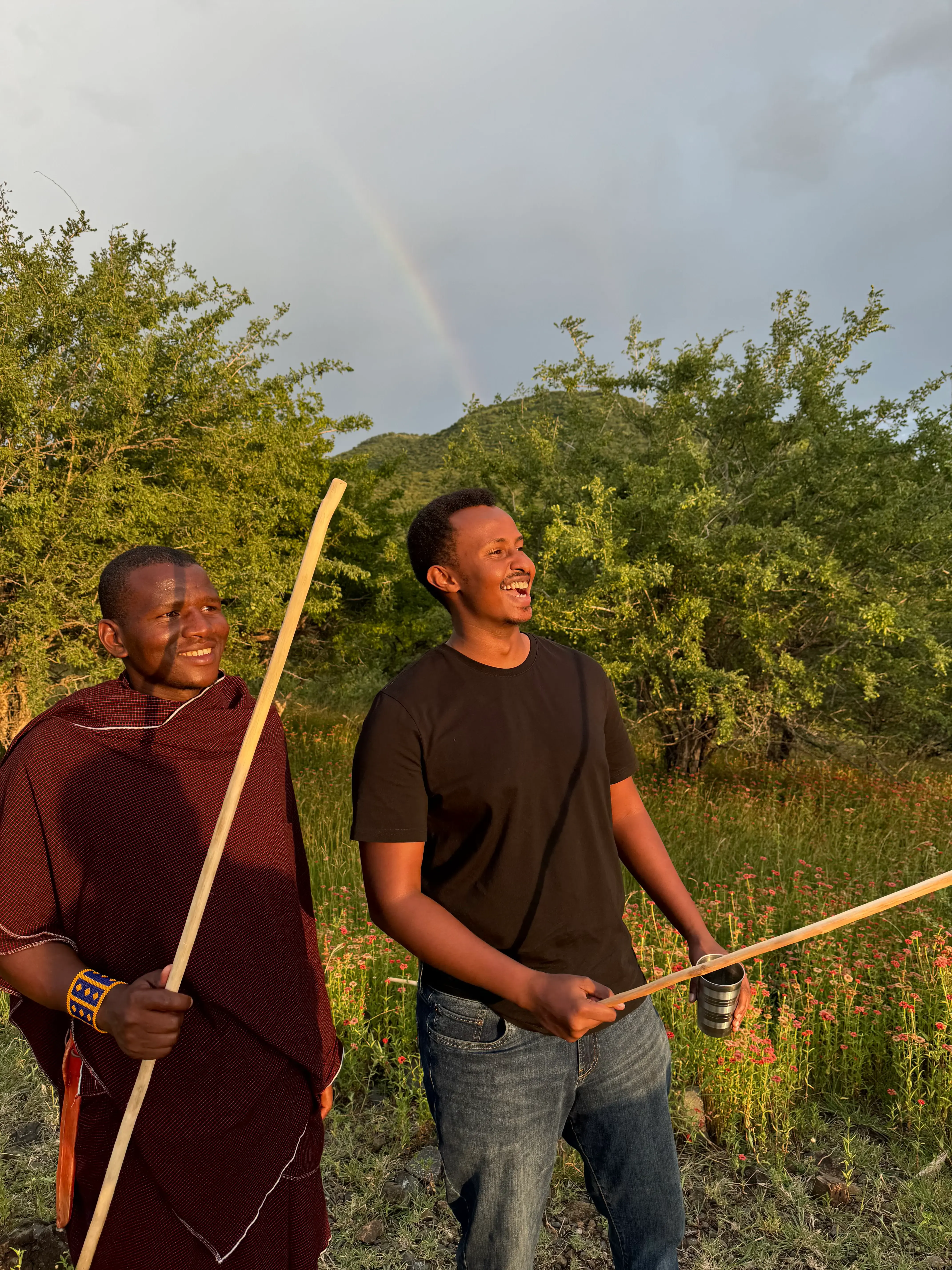
- Employment — Guides, rangers, lodge staff, and artisans come from local villages
- Human-wildlife conflict mitigation — Fences, chili pepper barriers, and early-warning systems reduce crop damage
- Education programs — Wildlife clubs in schools build the next generation of conservationists
What You Can Do
- Choose responsible operators — We partner with lodges that fund conservation and employ locally
- Respect park rules — Stay on roads, keep distance, and do not litter
- Do not buy wildlife products — Ivory, tortoiseshell, and animal skins fuel poaching
- Spread awareness — Share what you learn. Conservation needs advocates
- Donate — Consider supporting organizations like the Serengeti Conservation Foundation or TAWA
The Bottom Line
A safari is not just a vacation. It is a vote for conservation. Your presence, your fees, and your awareness all contribute to keeping Tanzania's wildlife wild.
Plan Your Tanzania Safari
Ready for your adventure? Book your safari with Trail Safari Explorers.
Read our timing guide,cost guide, or planning guide.
Read our etiquette guide,safety guide,wildlife viewing guide, or cultural tours guide.
Explore Serengeti National Park,Selous/Nyerere National Park,Ruaha National Park, or check travel resources.