Wildlife viewing guide
Tanzania Safari Wildlife Viewing Tips Guide
Essential tips for incredible wildlife viewing in Tanzania including spotting techniques, best times, and maximizing your safari experience.
Overview
Wildlife viewing in Tanzania is an incredible experience, but knowing how to spot animals and maximize your viewing opportunities can significantly enhance your safari. This guide covers essential tips for wildlife viewing, spotting techniques, and making the most of your game drives.
Read our etiquette guideand photography tips guide.
Best Times for Wildlife Viewing
Early morning: 6:00-9:00 AM is prime wildlife viewing time. Animals are most active as they start their day. Predators often hunt during these hours.
Late afternoon: 4:00-6:30 PM is excellent as animals become active again before nightfall. Cooler temperatures encourage movement.
Midday lull: 11:00 AM-3:00 PM is typically quiet as animals rest in shade. This is a good time for lunch, rest, or bird watching.
Night viewing: Some areas offer night drives for nocturnal wildlife. Different animals are active at night including leopards, hyenas, and smaller nocturnal species.
Spotting Techniques
Scan systematically: Don't just look for movement. Scan systematically from near to far, looking for shapes, colors, and patterns that don't belong.
Look for movement: Even subtle movement can indicate wildlife. Ear flicks, tail swishes, or grass moving can reveal hidden animals.
Check water sources: Water holes, rivers, and waterholes are reliable wildlife locations. Animals need to drink daily, especially during dry season.
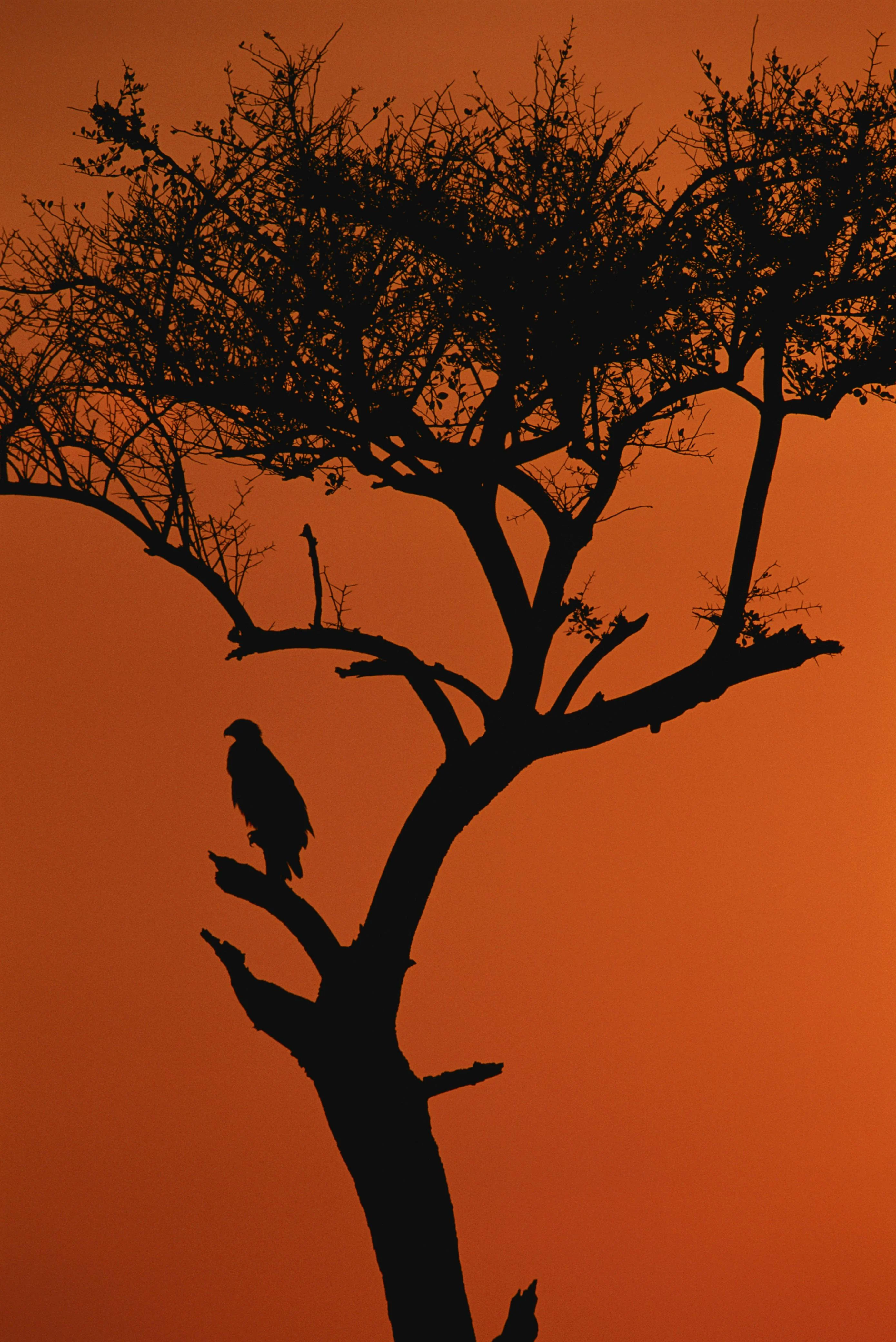
Scan tree lines: Leopards and other predators often rest in trees. Scan tree lines and large trees for shapes that don't belong.
Working with Your Guide
Trust your guide: Safari guides are experts at spotting wildlife. They know animal behaviors, habitats, and signs that untrained eyes miss.
Communicate your interests: Let your guide know what you're most interested in seeing. They can tailor the drive to your preferences.
Ask questions: Guides are knowledgeable about animal behavior, ecology, and conservation. Ask questions to enhance your understanding.
Be patient: Guides may wait quietly at a location if they sense something. Patience often rewards with incredible sightings.
Behavioral Signs
Alarm calls: Animals like impalas and baboons give specific alarm calls when predators are near. Learn to recognize these calls and investigate when you hear them.
Other animals' reactions: If other animals are looking in one direction or acting nervous, there's likely a reason. Follow their gaze.
Vultures circling: Circling vultures often indicate a kill or carcass. This can lead to predator sightings.
Tracks and signs: Fresh tracks, scat, and other signs indicate recent animal activity. Guides can read these signs to locate wildlife.
Vehicle Etiquette
Stay seated: Remain seated in the vehicle at all times. Standing or leaning out can disturb wildlife and is dangerous.
Keep voices down: Speak quietly to avoid disturbing wildlife. Loud noises can scare animals away and ruin the experience for everyone.
Respect distances: Maintain safe distances from wildlife. Never approach animals too closely. Follow your guide's instructions.
Share the view: If other vehicles are present, take turns at prime viewing positions. Don't block others' views.
Specific Animal Tips
Big cats: Look for them in shade during hot hours. Early morning and late evening are best when they're active. Scan rocky outcrops and trees for leopards.
Elephants: Often found near water during dry season. Listen for their vocalizations and the sound of breaking branches.
Rhinos: Often found in open grasslands. Look for their distinctive shape against the landscape. They're most active in early morning and late afternoon.
Birds: Different birds are active at different times. Early morning is best for bird calls and activity. Check water sources for waterbirds.
Maximizing Your Experience
Binoculars are essential: Good binoculars significantly enhance wildlife viewing. You'll see details and spot animals that are invisible to the naked eye.
Put the camera down sometimes: Don't spend the entire safari behind the lens. Take time to simply observe and experience the wildlife without photographing.
Be present: Safari is about the experience, not just the checklist. Enjoy the moments, the sounds, and the atmosphere of the African bush.
Keep a journal: Record your sightings, experiences, and observations. This enhances the experience and creates lasting memories.
Plan Your Tanzania Safari
Ready for your adventure? Book your safari with Trail Safari Explorers.
Read our timing guide,cost guide, or planning guide.
Read our etiquette guide,safety guide,photography guide, or vehicles guide.
Explore Serengeti National Park,Ngorongoro Crater,Tarangire National Park, or check travel resources.