Photography guide
Tanzania Safari Photography Tips Guide
Essential photography tips for Tanzania safaris including camera settings, equipment recommendations, and techniques for incredible wildlife photos.
Overview
Tanzania offers incredible opportunities for wildlife photography, from the Great Migration to intimate predator encounters. This guide covers essential photography tips, camera settings, and techniques to help you capture stunning safari images.
Read our photography safari guideand gear guide.
Camera Settings
Shutter speed: Use fast shutter speeds (1/1000s or faster) for moving wildlife. Slower speeds (1/500s) for stationary animals. Adjust based on subject movement.
Aperture: Use wide apertures (f/2.8-f/4) for blurry backgrounds and subject isolation. Narrower apertures (f/5.6-f/8) for more depth of field when needed.
ISO: Use the lowest ISO possible for quality. Increase ISO in low light or when needing faster shutter speeds. Don't be afraid of high ISO on modern cameras.
Continuous autofocus: Use AI-Servo or continuous autofocus for moving subjects. This tracks moving animals and maintains focus.
Composition Tips
Eye level: Get down to the animal's eye level for more intimate and impactful images. This often means shooting from a low angle in safari vehicles.
Rule of thirds: Place subjects off-center using the rule of thirds. This creates more dynamic and interesting compositions than centering subjects.
Fill the frame: Get close and fill the frame with your subject. This creates more impactful images and eliminates distracting backgrounds.
Include environment: Sometimes showing the animal in its habitat creates more powerful images than tight portraits. Balance subject and environment.
Light and Timing
Golden hour: The hour after sunrise and before sunset offers the most beautiful light. Warm, soft light creates magical safari images.
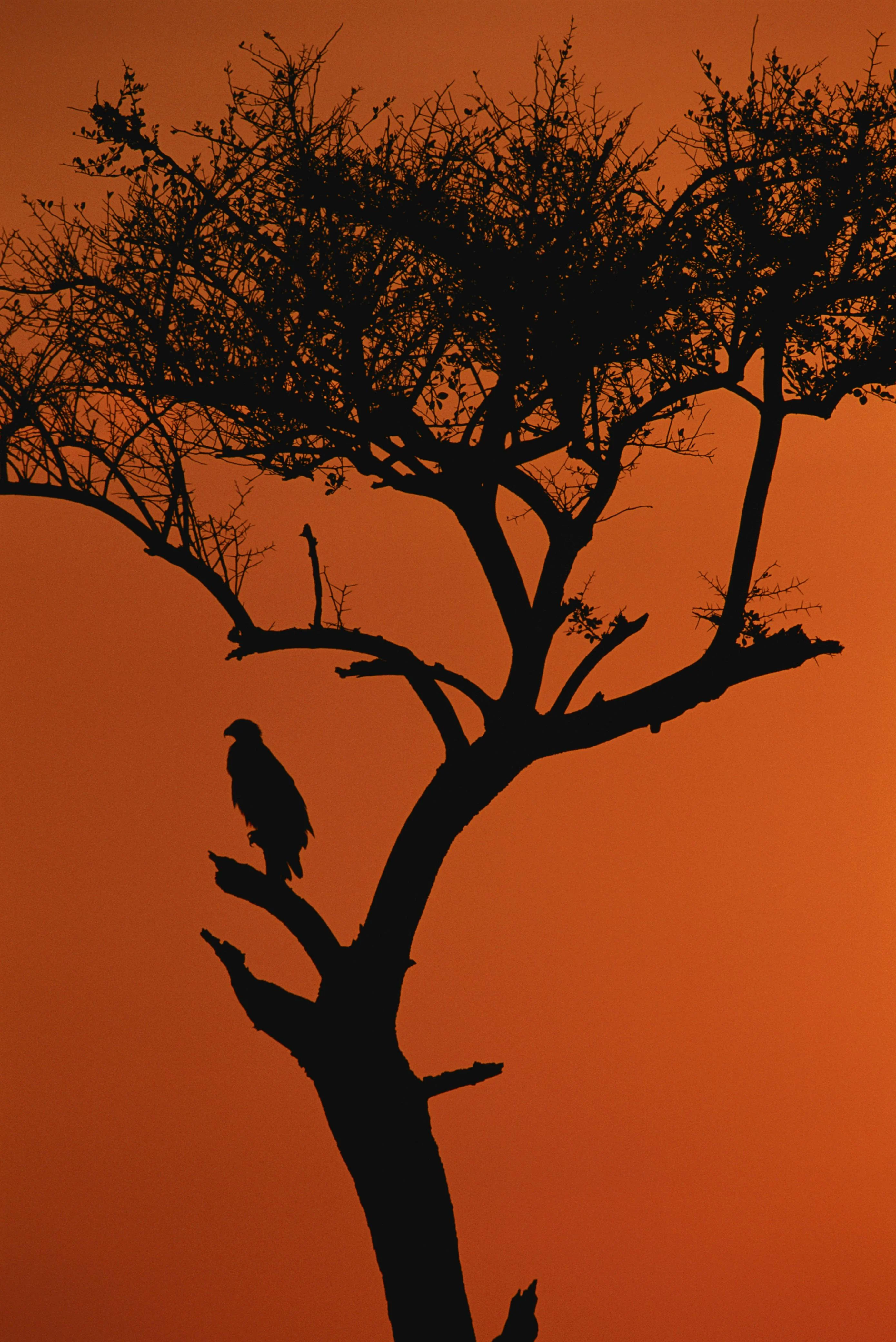
Backlighting: Experiment with backlighting for silhouettes and rim lighting. This creates dramatic and artistic images.
Overcast days: Cloudy days provide soft, even light perfect for wildlife portraits. No harsh shadows to deal with.
Midday sun: Harsh midday sun creates strong shadows. Focus on details, patterns, or shaded areas during these hours.
Subject-Specific Tips
Elephants: Focus on trunk details, interactions, and family groups. Elephants are excellent for behavioral photography.
Lions: Capture yawning, grooming, and social interactions. Early morning and late evening are best when lions are most active.
Leopards: Leopards in trees are iconic. Use wider apertures to blur foliage and isolate the subject. Patience is key for leopard sightings.
Birds: Use fast shutter speeds for birds in flight. Capture birds in their habitats for environmental portraits.
Equipment Tips
Lens choice: A telephoto zoom (70-200mm or 100-400mm) is ideal for safari. Versatile zoom allows quick composition changes without changing lenses.
Bean bag: A bean bag or camera support stabilizes your camera on vehicle edges. Essential for sharp images from moving vehicles.
Spare batteries: Cold temperatures drain batteries faster. Keep spare batteries warm in pockets and rotate them regularly.
Memory cards: Bring more memory than you think you need. You'll take hundreds of photos daily. Format cards in-camera before your trip.
Behavior and Ethics
Respect wildlife: Never disturb animals for photos. Maintain safe distances and follow guide instructions. The animal's welfare comes first.
Put camera down sometimes: Don't spend the entire safari behind the lens. Take time to simply observe and experience the moment. Some memories are better without photos.
Flash photography: Use flash sparingly and only when appropriate. Flash can disturb wildlife, especially at night. Ask your guide before using flash.
Share the experience: If traveling with others, take turns getting the best angles. Don't monopolize prime viewing positions for photography.
Post-Processing
Backup your photos: Back up photos daily to multiple devices. Don't rely on a single storage device. Use cloud backup when internet is available.
Organize as you go: Organize photos by date and location during your trip. This makes post-processing much easier when you return home.
Edit selectively: Don't feel pressured to edit every photo. Focus on the best images and edit those thoroughly rather than editing everything poorly.
Share selectively: Share your best photos rather than overwhelming people with hundreds of images. Quality over quantity.
Plan Your Tanzania Safari
Ready for your adventure? Book your safari with Trail Safari Explorers.
Read our timing guide,cost guide, or planning guide.
Read our photography guide,best photography safari guide,aerial photography guide, or sunset sunrise guide.
Browse our journal for more resources, or check travel resources.