Photography guide
Tanzania Safari Photography Guide
Everything you need to know about safari photography in Tanzania including equipment, techniques, wildlife photography tips, and best practices.
Overview
Tanzania offers incredible photography opportunities, from iconic wildlife to dramatic landscapes. This guide covers equipment, techniques, and tips for capturing stunning safari images that preserve your Tanzania memories forever.
Read our gear guideand wildlife viewing guide.
Camera Equipment
Camera body: DSLR or mirrorless camera with good autofocus and fast burst shooting. Full-frame sensors offer better low-light performance and image quality.
Lenses: Telephoto lens (200-400mm minimum) for wildlife. Wide-angle lens (16-35mm) for landscapes. Mid-range zoom (70-200mm) for versatility.
Support: Bean bag for vehicle stability. Monopod for walking safaris. Tripod for landscapes and night photography. Vehicle window mounts are also useful.
Accessories: Extra batteries, memory cards, lens cleaning kit, rain cover, and camera bag. Power banks for charging in the field.
Wildlife Photography
Shutter speed: Use fast shutter speeds (1/1000s or faster) to freeze animal movement. Slower speeds can show motion blur for creative effects.
Autofocus: Use continuous autofocus (AI Servo/AF-C) for moving subjects. Back-button focus improves control and prevents focus hunting.
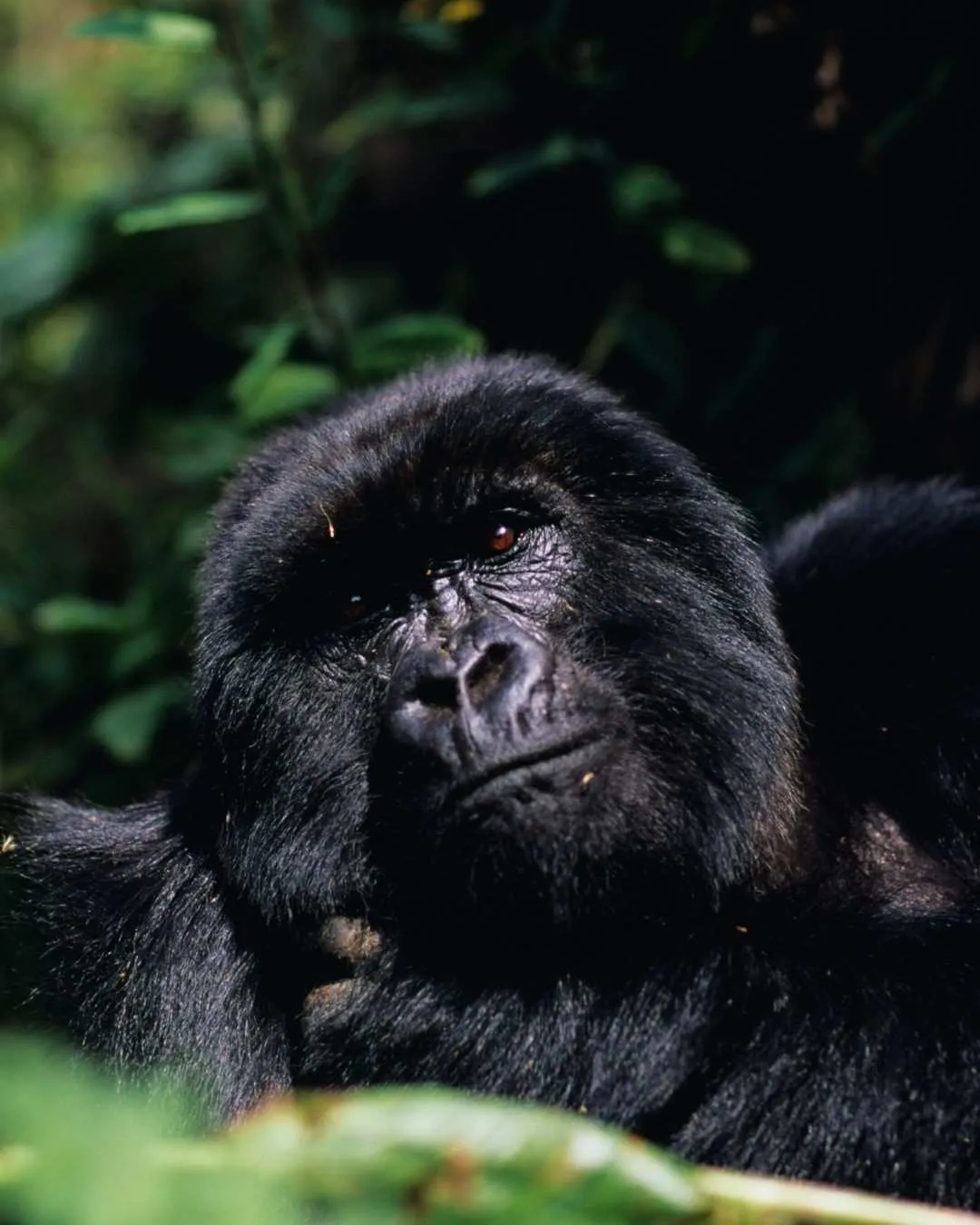
Composition: Focus on the eyes — sharp eyes make compelling wildlife images. Leave space in the frame for the animal to look or move into.
Behavior: Wait for behavior rather than just portraits. Hunting, playing, social interactions, and environmental context create more compelling images.
Landscape Photography
Golden hour: Shoot during early morning and late afternoon for the best light. The golden light enhances colors and creates long shadows for depth.
Wide angles: Use wide-angle lenses to capture expansive landscapes. Include foreground elements like acacia trees or rocks for depth and scale.
Depth of field: Use small apertures (f/8-f/16) for sharp focus throughout the scene. Hyperfocal distance techniques maximize depth of field.
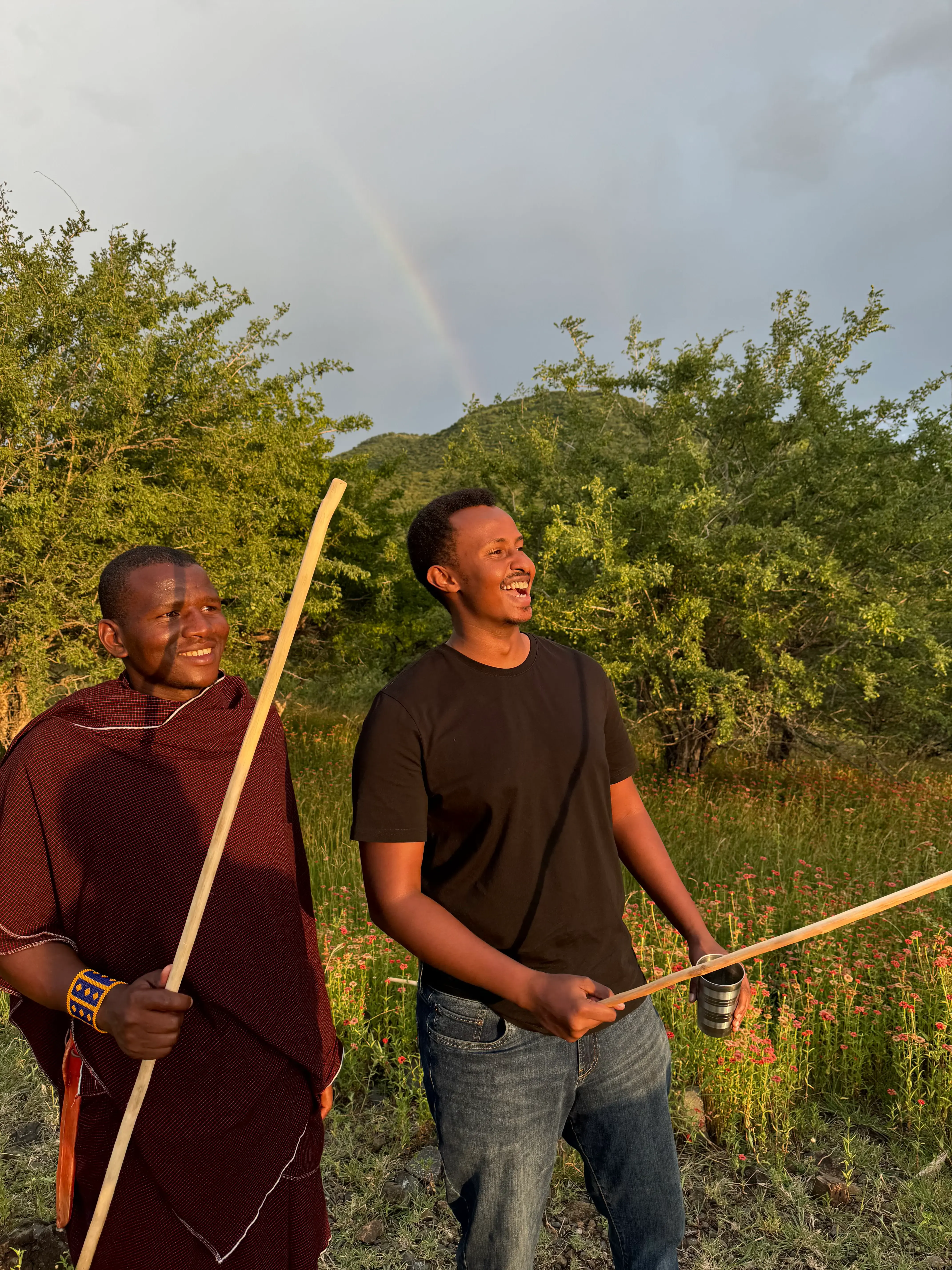
Weather: Dramatic weather creates the most interesting landscapes. Storm clouds, rainbows, and atmospheric conditions add mood and drama.
Light and Exposure
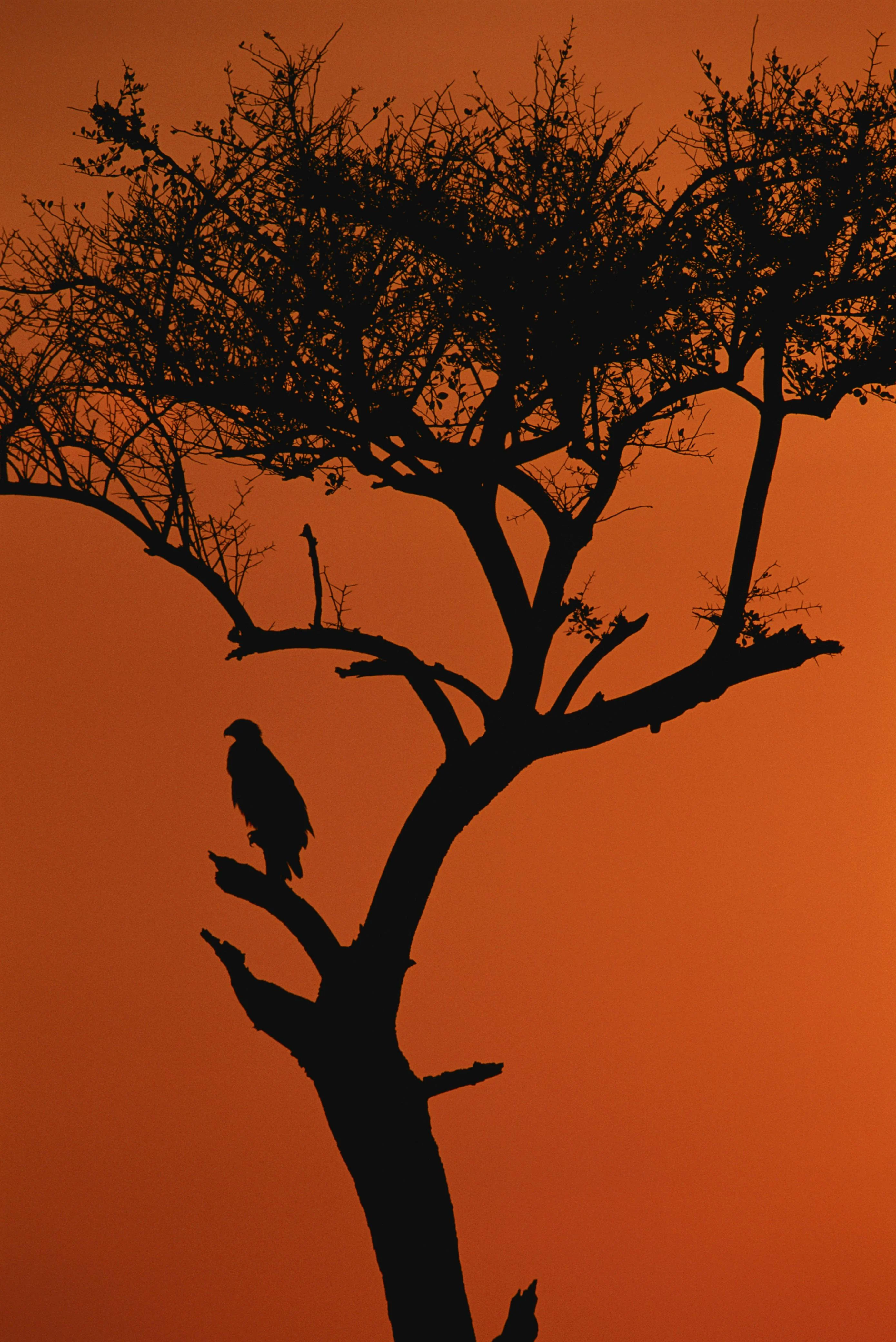
Directional light: Backlighting creates dramatic silhouettes. Side lighting enhances texture and depth. Front lighting is flat but reveals detail.
Exposure compensation: Bright subjects (white animals, bright sky) need positive exposure compensation. Dark subjects need negative compensation.
Shooting modes: Aperture priority for depth of field control. Shutter priority for action. Manual mode for complete control in challenging conditions.
ISO management: Use the lowest ISO possible for image quality. Increase ISO only when necessary to maintain shutter speed or aperture. Modern cameras handle high ISO well.
Vehicle Photography
Stability: Use bean bags or window mounts for stability. Turn off the vehicle engine when possible to reduce vibration. Rest the lens on the window frame.
Positioning: Ask your guide to position the vehicle for the best angle. Consider background and lighting when positioning. Don't be afraid to request repositioning.
Respect: Never lean out of the vehicle or stand up. This disturbs wildlife and is dangerous. Stay seated and photograph from within the vehicle.
Patience: Wait for the right moment rather than shooting immediately. Patience often results in better images as animals become comfortable and engage in natural behaviors.
Ethical Photography
Animal welfare: Never disturb wildlife for better photos. If an animal shows stress, back away immediately. The animal's welfare comes first.
No flash: Avoid using flash on wildlife, especially at night. Flash can disturb animals and affect their night vision. Ask your guide before using flash.
Respect privacy: Ask permission before photographing people. Some cultures believe photos capture their soul. Respect these beliefs.
Share the view: Don't monopolize prime viewing positions. Take turns and ensure everyone has opportunity to see and photograph. Be considerate of other safari-goers.
Storage and Backup
Memory cards: Bring sufficient memory cards. High-capacity cards (64GB+) reduce card changes. Format cards in-camera before your trip.
Backup strategy: Back up images daily if possible. Portable hard drives or laptop backup ensure your images are safe. Cloud backup when internet is available.
Organization: Organize images by date and location. This makes post-processing and image selection easier. Use consistent naming conventions.
Power management: Charge batteries every night. Bring extra batteries for long game drives. Cold temperatures reduce battery life — keep batteries warm.
Plan Your Tanzania Safari
Ready for your adventure? Book your safari with Trail Safari Explorers.
Read our timing guide,cost guide, or planning guide.
Read our gear guide,best photography safari guide,aerial photography guide, or sunset sunrise guide.
Browse our journal for more resources, or check travel resources.