Activity guide
Tanzania Safari Walking Tour — On Foot in the Bush
When you step out of the vehicle, the safari changes. Here is how walking safaris work and where to do them.
Why Walk?
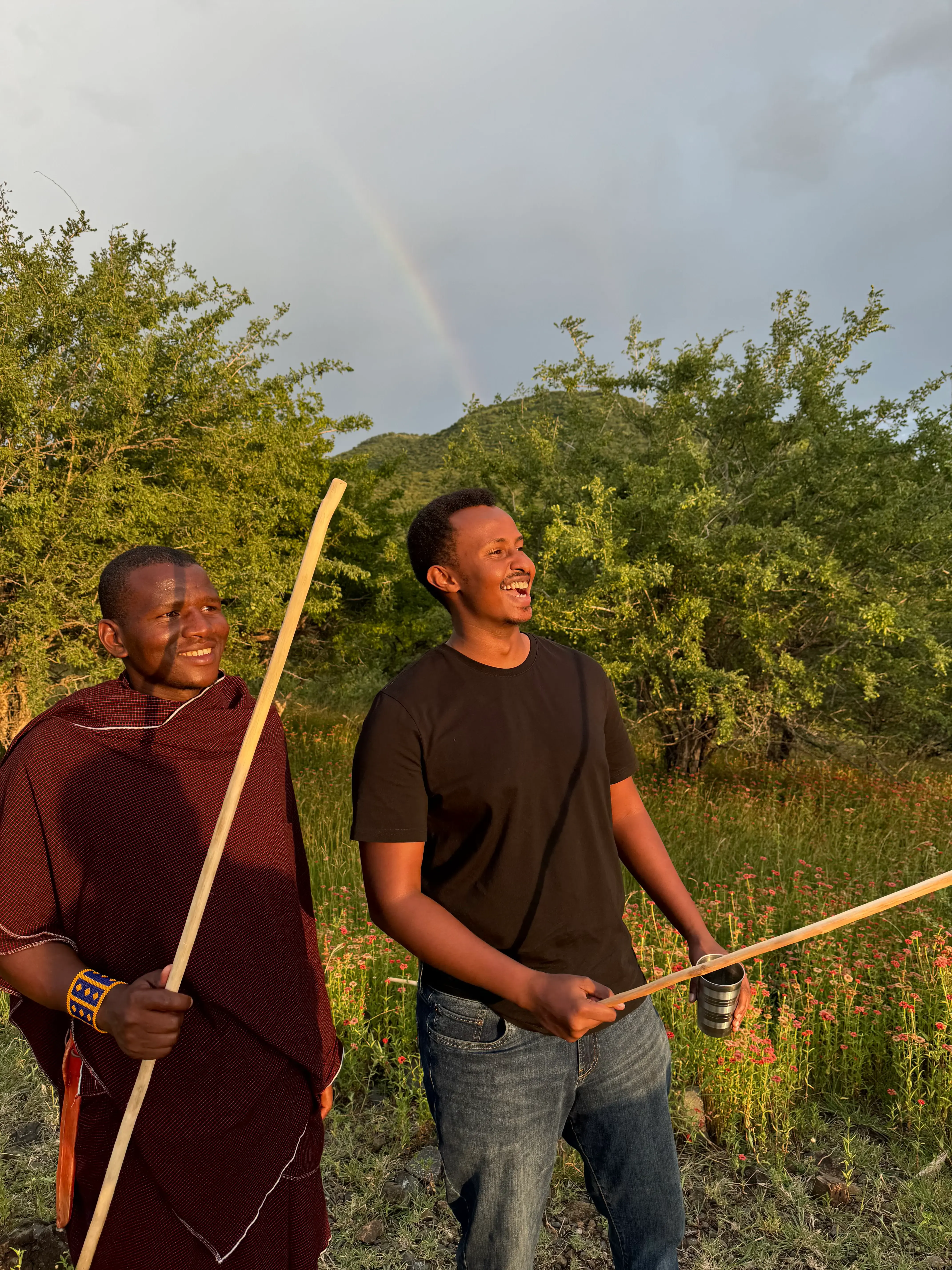
A vehicle separates you from the environment. When you walk, you are in it. You notice things you never see from a Land Cruiser: dung beetles, termite mounds, bird calls, spoor, and the texture of the earth itself.
Walking is not about seeing the Big Five up close. It is about understanding the ecosystem — the small stories that make the big picture possible.
Where You Can Walk
- Nyerere National Park (Selous) — The best walking in Tanzania. Armed rangers, varied terrain, and excellent guides.
- Ruaha National Park — Guided walks with armed rangers. Dry riverbeds and rocky outcrops make for varied terrain.
- Arusha National Park — Walking with an armed ranger is a highlight. Safe, accessible, and beautiful.
- Private concessions — Many camps on concession land outside national parks offer walking safaris with fewer restrictions.
- National parks (limited) — Some parks allow short walks to viewpoints or waterfalls, but not extended walking safaris.
Note: Walking is not permitted in Serengeti or Ngorongoro Crater due to predator density and park regulations.
Safety Protocols
- Armed ranger — Every walk is led by a guide and accompanied by an armed ranger
- Small groups — Maximum 6-8 people
- Quiet and single file — Noise and sudden movement attract attention
- Stay behind the guide — Never walk ahead
- No running — Running triggers predator response
- Follow wind direction — Guides position the group downwind of animals
- Minimum age — Usually 12-16 years depending on the operator
What You Will See
- Animal tracks and spoor — learn to identify species by footprint
- Insects and invertebrates — dung beetles, termites, caterpillars
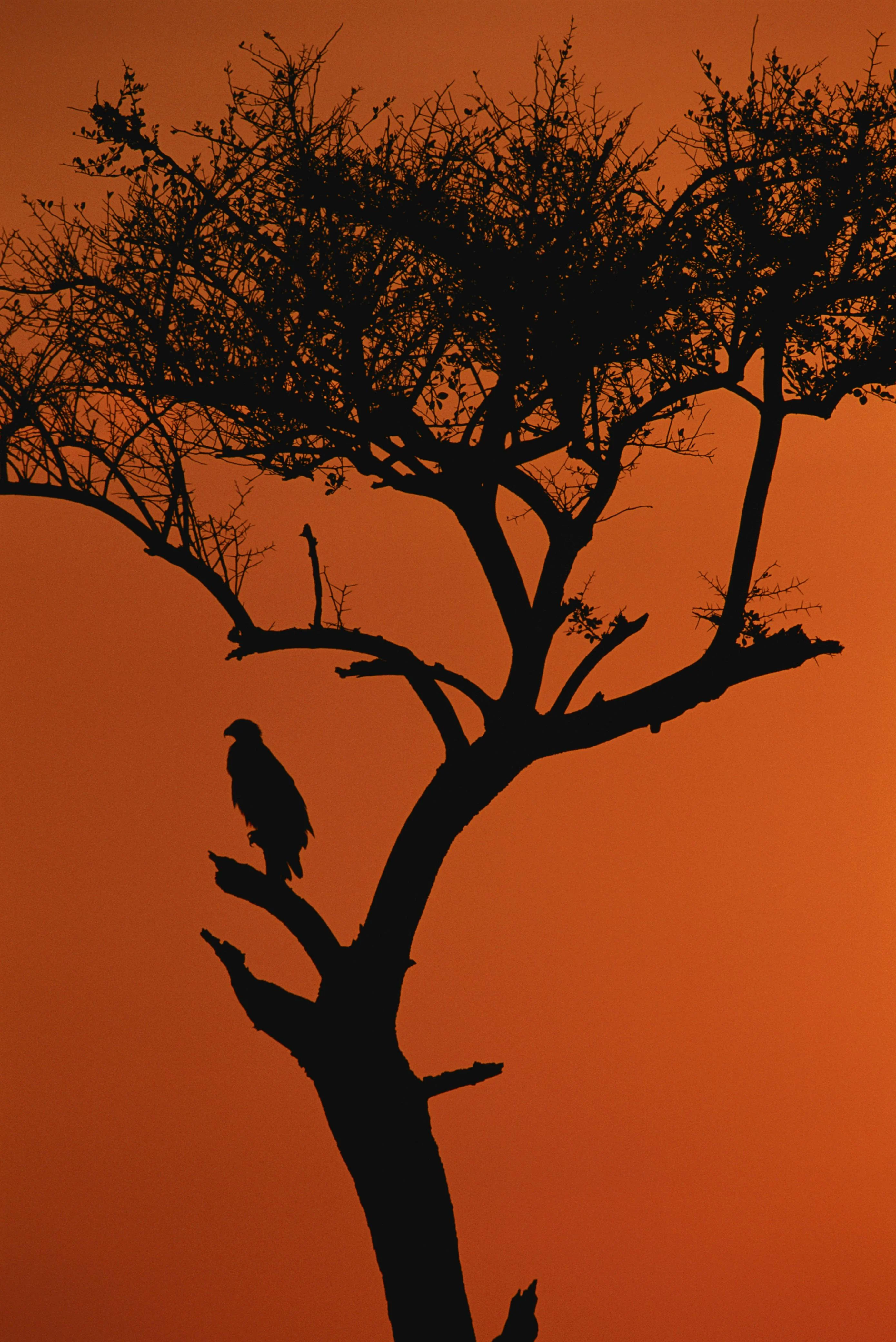
- Birds — harder to see but easier to hear on foot
- Plants and ecology — medicinal uses, seed dispersal, symbiosis
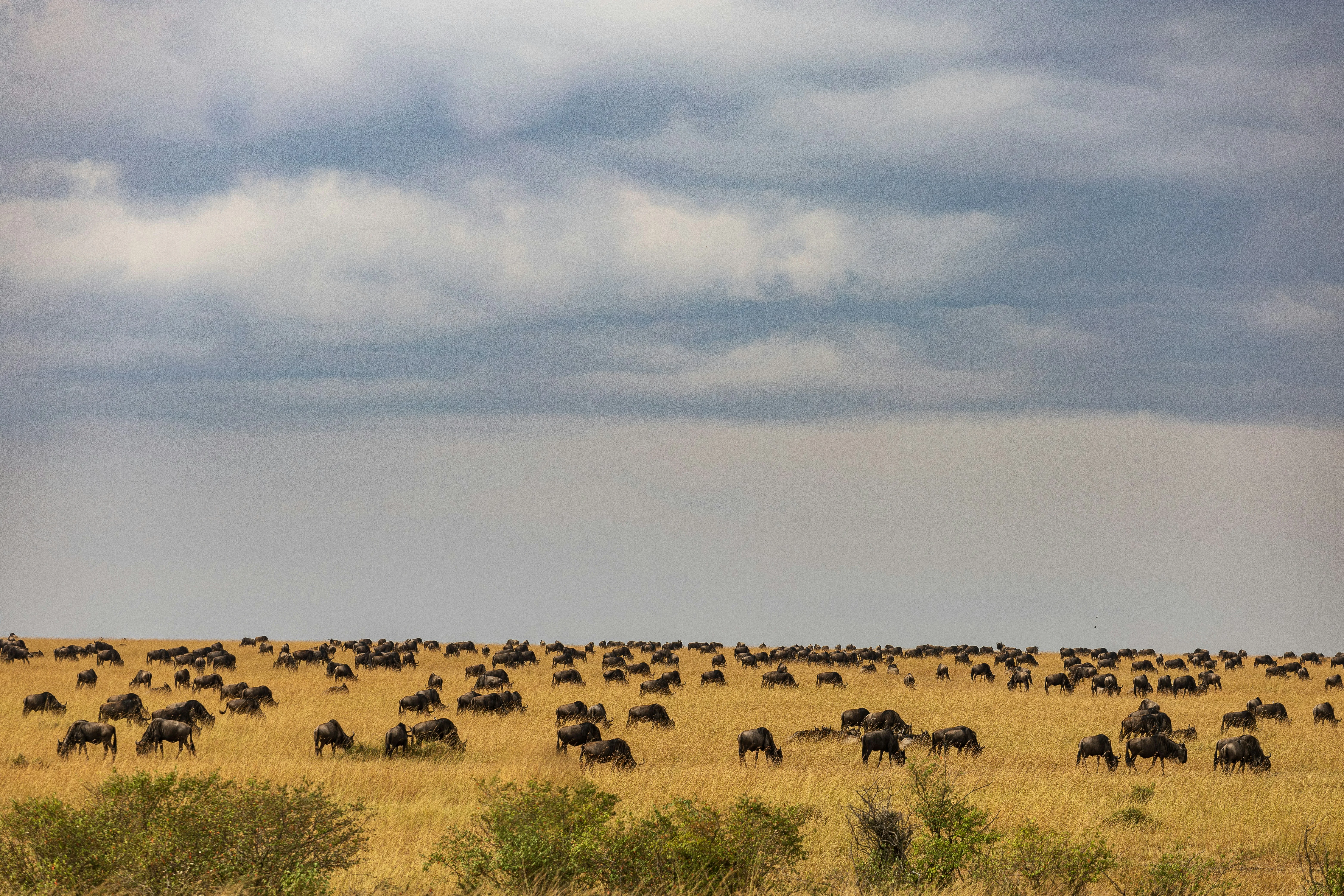
- Occasional wildlife — giraffes, zebras, impala, buffalo (from a safe distance)
The Bottom Line
A walking safari is not a replacement for game drives. It is a complement. Do both, and you will leave Tanzania with a much deeper understanding of the bush.
Plan Your Tanzania Safari
Ready for your adventure? Book your safari with Trail Safari Explorers.
Read our timing guide,cost guide, or planning guide.
Read our walking safari guide,safety guide,etiquette guide, or wildlife viewing guide.
Explore Nyerere National Park (Selous),Ruaha National Park,Arusha National Park, or check travel resources.