Heritage Experiences
Kondoa Rock Art Sites – Tanzania's Ancient Prehistoric Paintings
10,000 years of San Bushman art on granite
UNESCO Listed
World Heritage Site
150+ Sites
Ancient paintings
10,000 Years
San Bushman art
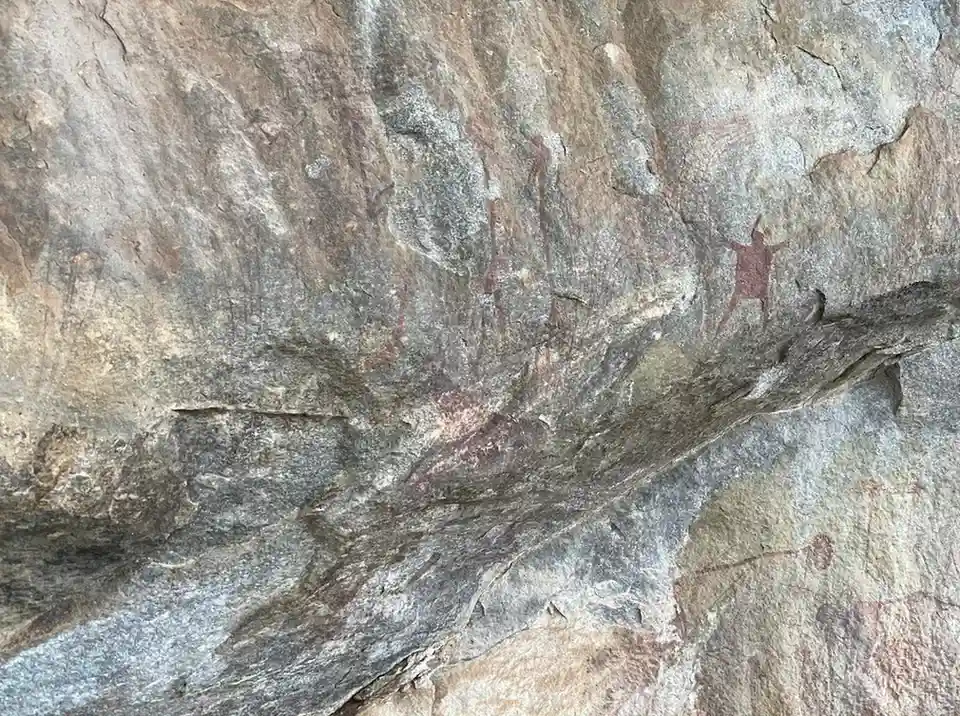
Journey into Tanzania's deep past at the Kondoa Irangi Rock Art Sites, a UNESCO World Heritage collection of over 150 painted shelters and caves. Created by San Bushman hunter-gatherers over thousands of years, these ancient paintings offer a window into the spiritual and daily lives of Tanzania's earliest inhabitants. The red ochre figures—humans, animals, and mysterious abstract forms—represent one of Africa's most significant collections of prehistoric art.
About the Kondoa Irangi Rock Art
The Kondoa rock art sites are scattered across a 50-kilometer stretch of granite outcrops and hills in central Tanzania. The paintings were created by Sandawe and other San-related peoples whose ancestors inhabited the region for millennia. The sites vary from small overhangs with a few figures to large, complex panels covering entire rock faces.
The art was created using natural pigments—primarily red ochre (iron oxide) but also white clay, black charcoal, and yellow pigments. These were mixed with animal fat or plant juices to create paint that has survived for thousands of years on the protected rock surfaces.
The Rock Art – What You'll See
The paintings at Kondoa depict a remarkable range of subjects. Early periods feature naturalistic animals—eland, buffalo, giraffe, and elephants—painted with extraordinary skill and anatomical accuracy. Later periods show more stylized human figures in elaborate scenes that may represent rituals, dances, or hunting.
Some of the most intriguing images are abstract—geometric patterns, concentric circles, and lines that may represent shamanic visions or spiritual concepts. The meaning of many images remains mysterious, as the traditions of their creators were disrupted by colonialism and the displacement of hunter-gatherer peoples.
UNESCO World Heritage Recognition
In 2006, Kondoa was inscribed as a UNESCO World Heritage Site in recognition of its outstanding universal value. The site is considered significant not just for the quantity and quality of its art, but for the long chronological span it represents. Unlike many rock art sites that date from a single period, Kondoa shows artistic evolution over millennia.
The UNESCO listing also recognizes the continued spiritual significance of these sites to local communities. The Rangi and Sandawe peoples who live in the area today maintain traditional beliefs about the painted rocks, regarding them as sacred places connected to ancestors and spirits.
How to Visit the Kondoa Rock Art Sites
The most accessible site is at Kolo, approximately 9 kilometers from Kondoa town. Here, a cluster of painted shelters can be visited in a half-day excursion. The site requires a local guide—both for navigation and to understand the cultural context of the paintings. Entry fees support conservation and community benefit programs.
The rocks require some scrambling to reach, so reasonable mobility is needed. The best time to visit is during the dry season (June–October) when access is easiest. Morning visits offer the best light for viewing and photographing the paintings, which are often shaded during midday.
Combining Kondoa with a Tanzania Safari
Kondoa works well as part of a central Tanzania safari circuit, combining with Tarangire National Park and Lake Eyasi for encounters with modern hunter-gatherer culture. The location is approximately 4-5 hours from Dodoma or Tarangire, making it accessible for dedicated cultural enthusiasts.
Accommodation is available in Kondoa town, ranging from basic guesthouses to simple lodges. For a more comprehensive experience, we recommend an overnight stay to allow time for visiting multiple sites and engaging with local community perspectives on the rock art.
FAQs
What are the Kondoa Rock Art Sites?
How old are the paintings?
How do I get to Kondoa?
Add Kondoa to Your Tanzania Itinerary
Trail Safari Explorers offers Kondoa Rock Art visits as part of specialized cultural itineraries. Combine this extraordinary heritage site with Olduvai Gorge (the "Cradle of Humankind") and Hadzabe bushmen encounters for a comprehensive exploration of Tanzania's human history—from our earliest ancestors to living hunter-gatherer traditions.


Explore Further
Read our best time to visit Tanzania,safari cost guide, or packing list.
Explore all experiences,destinations,Tanzania safaris, or Zanzibar.
Read our planning guide,Serengeti guide, or browse our journal.