Relaxation Experiences
Hot Springs in Tanzania – Geothermal Wonders in the Rift Valley
Natural pools, crystal-clear waters & relaxing soaks
Chemka Springs
Crystal-clear 27-30°C waters
Rift Valley
Geothermal activity
Natural Pools
Swim & relax
Tanzania's position along the East African Rift Valley creates fascinating geothermal features, from crystal-clear natural springs to traditional hot pools. The most famous is Chemka Hot Springs—a stunning oasis of turquoise water surrounded by ancient fig trees. Whether you seek relaxation after a Kilimanjaro climb or a refreshing swim during safari, Tanzania's hot springs offer unique natural experiences.
Tanzania's Volcanic Landscape & Hot Springs
The East African Rift Valley runs through Tanzania, creating volcanic activity that powers geothermal springs. Unlike the scalding hot springs of some destinations, Tanzania's springs vary in temperature from warm (Chemka at 27-30°C) to genuinely hot. The chemistry also varies—some are mineral-rich and believed to have therapeutic properties, while others like Chemka are simply crystal-clear freshwater springs.
Key Hot Spring Locations
Chemka (Kikuletwa) Hot Springs – Near Moshi
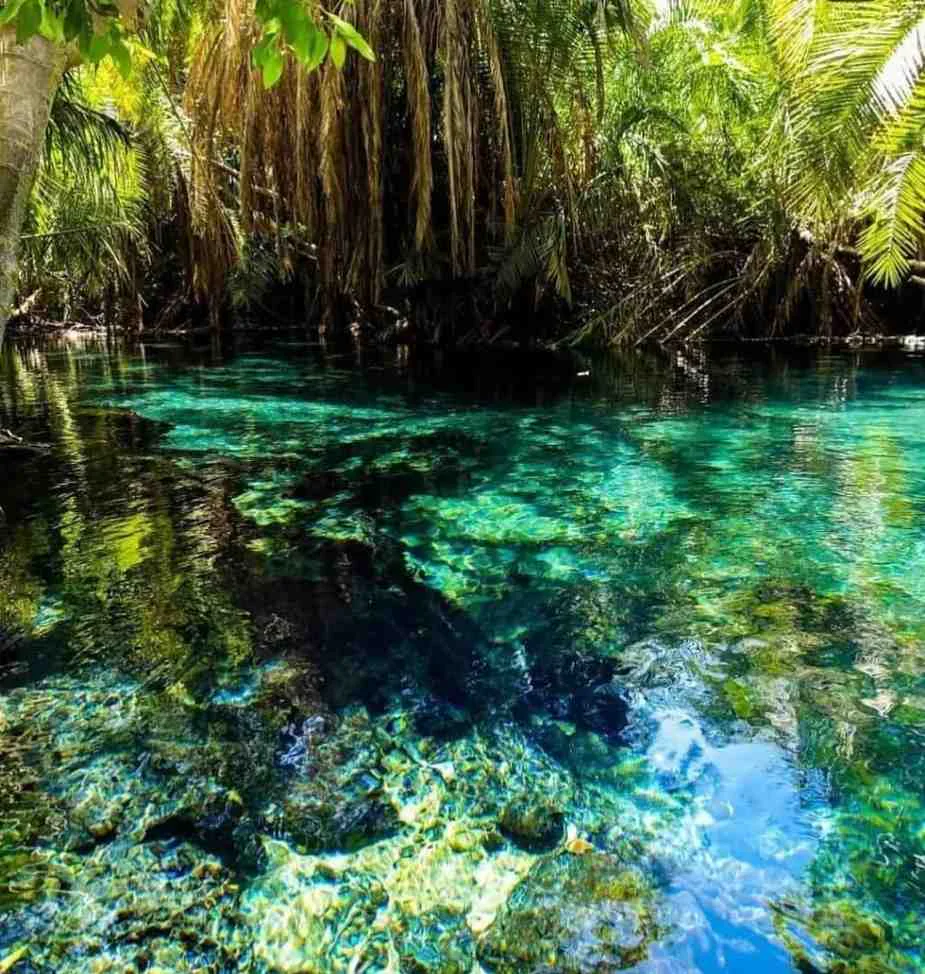
The most popular hot spring experience in Tanzania, Chemka is located about 40 minutes from Moshi on Kilimanjaro's lower slopes. Despite being called a "hot spring," the water is actually a pleasant 27-30°C—refreshing rather than hot. The spring forms a natural pool of extraordinary clarity, with water so turquoise it appears artificially colored.
Ancient fig trees surround the pool, their roots forming natural platforms and their canopy providing shade. Rope swings hang from branches, launching swimmers into the deep center. Shallow areas near the edges are perfect for children. The setting feels like a hidden jungle oasis—a perfect contrast to the savannah landscapes of safari.
Arusha National Park Hot Springs
Within Arusha National Park, smaller geothermal springs bubble up in various locations. While not as developed for swimming as Chemka, these springs attract wildlife and create interesting features within the park's diverse landscape.
Lake Natron Area
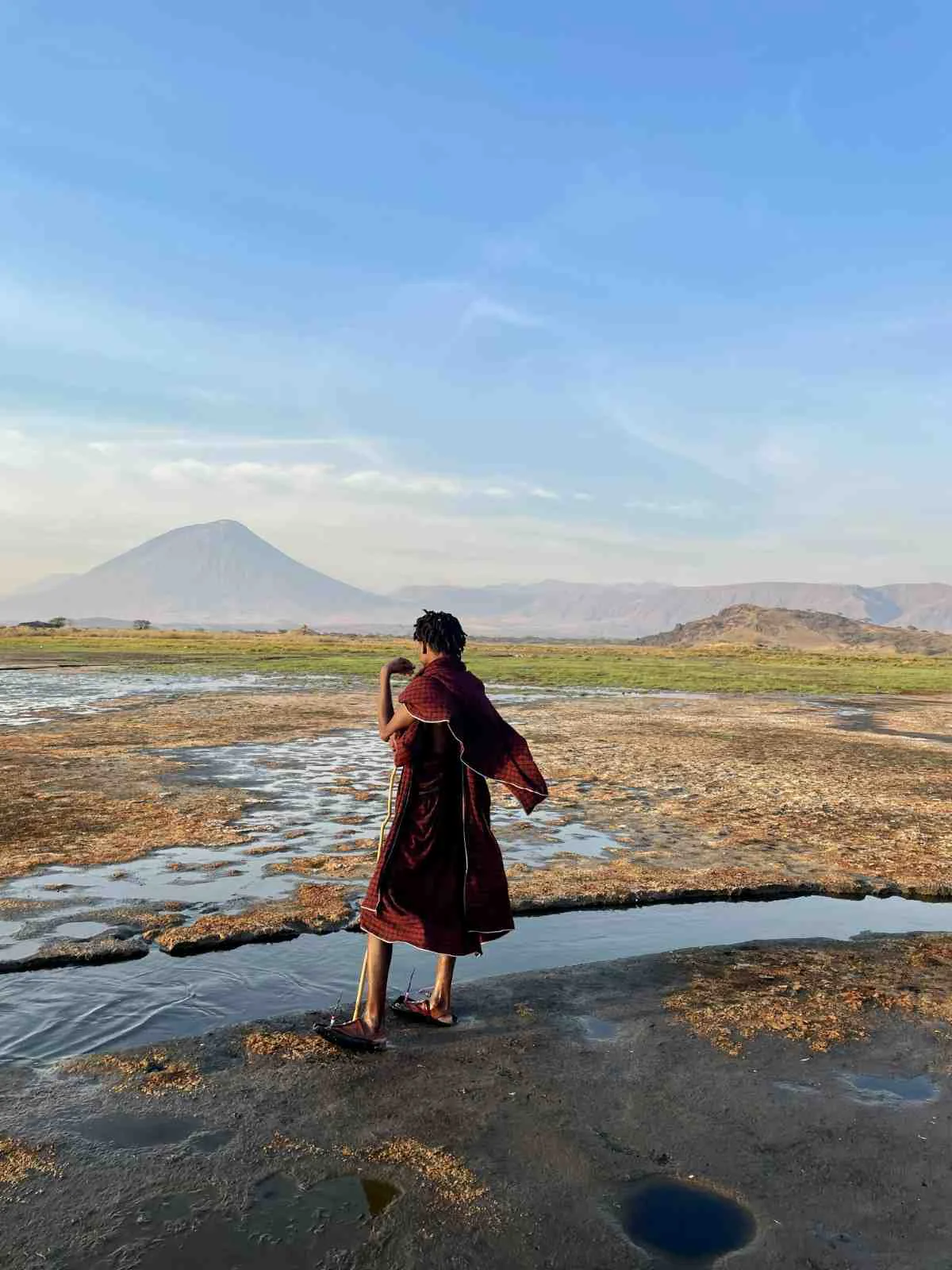
Near Lake Natron, thermal springs feed into the alkaline lake system. While swimming in the main lake is dangerous due to caustic soda content, some adjacent springs offer safe soaking opportunities. The combination of hot springs and the surreal, moon-like landscape of Lake Natron creates an otherworldly experience.
Swimming at the Hot Springs
Chemka is ideal for swimming—the water is fresh, clear, and comfortably warm. The pool reaches depths of several meters in the center, with shallow wading areas around the edges. The natural setting means there are no concrete edges or chlorine—just pure spring water constantly refreshing itself.
Most visitors spend 1-2 hours at the springs, combining swimming with relaxation on the natural root platforms. Local vendors sometimes sell fresh coconuts and snacks. It's a relaxed, unstructured experience—exactly what many travelers need after the intensity of safari or climbing.
Best Time to Visit
Hot springs are accessible year-round. Chemka is particularly refreshing during Tanzania's hotter months (October–March). Morning visits (9:00–11:00 AM) offer the best light for photography and fewer crowds. The springs near Lake Natron are best visited during the dry season (June–October) when access roads are passable.
FAQs
Where are the best hot springs in Tanzania?
Is Chemka Hot Springs safe for swimming?
When is the best time to visit?
Add Hot Springs to Your Tanzania Itinerary
Trail Safari Explorers offers hot spring excursions as standalone day trips or combined with other activities. Chemka pairs perfectly with Kilimanjaro climbing (as a pre- or post-climb relaxer) or en route to Tarangire. Lake Natron springs combine with highlands treks and flamingo viewing.
Explore Further
Read our best time to visit Tanzania,safari cost guide, or packing list.
Explore all experiences,destinations,Tanzania safaris, or Zanzibar.
Read our planning guide,Serengeti guide, or browse our journal.