Landscape guide
Tanzania Landscape Guide
Everything you need to know about Tanzania's landscapes including savannas, mountains, lakes, forests, and best scenic viewing locations.
Overview
Tanzania's landscapes are incredibly diverse, from endless savannas to dramatic mountains, pristine lakes to ancient forests. Understanding these landscapes enhances your appreciation of the country's natural beauty and ecological diversity.
Read our Serengeti guideand Kilimanjaro guide.
Savanna Landscapes
Endless plains: The Serengeti's vast savannas are among Africa's most iconic landscapes. Endless grasslands stretching to the horizon create dramatic vistas and incredible wildlife viewing.
Seasonal changes: Savannas transform dramatically between wet and dry seasons. Lush green grasses in wet season contrast with golden-brown grasses in dry season.
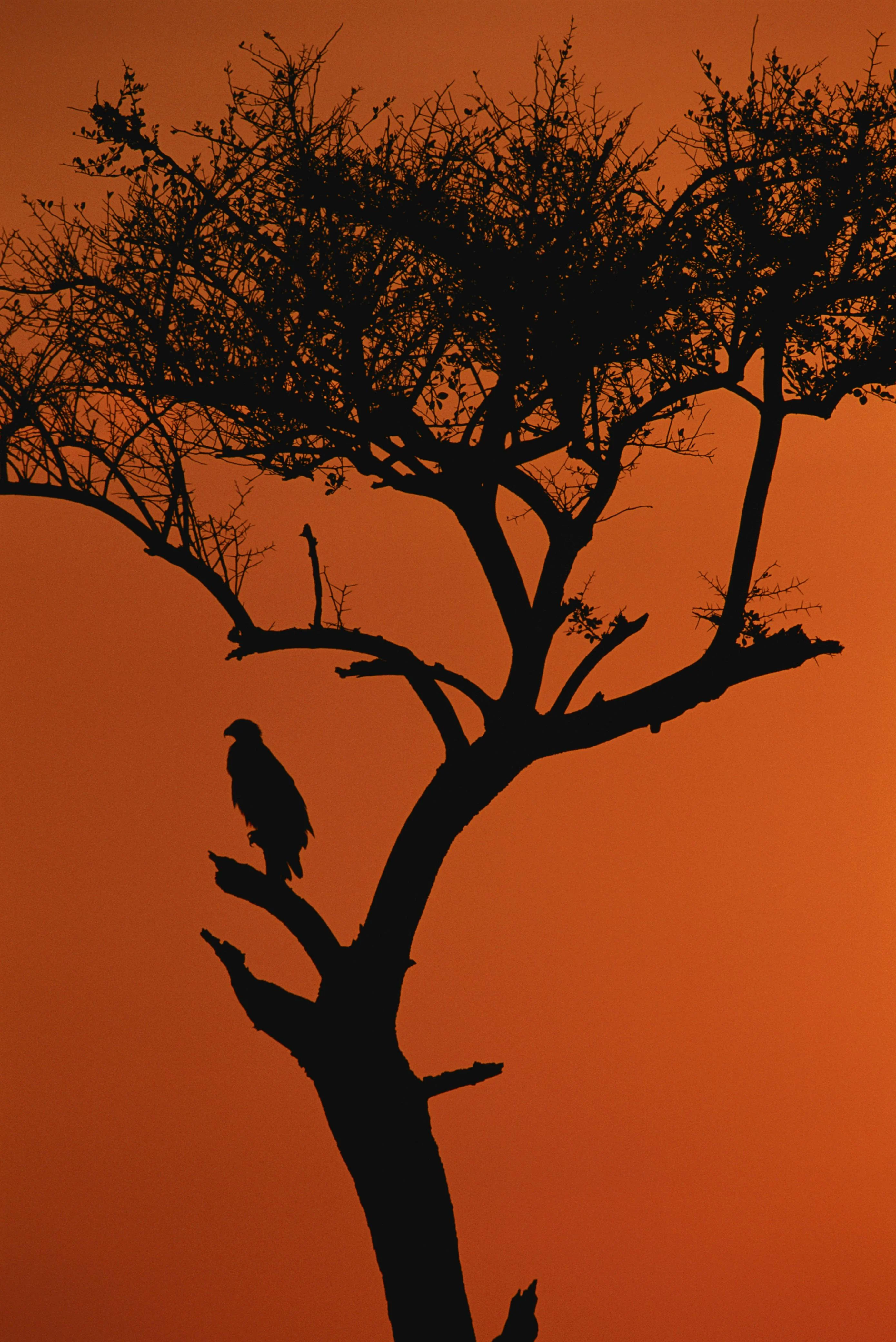
Acacia woodlands: Scattered acacia trees create classic African savanna scenes. These trees provide shade for wildlife and create stunning photographic compositions.
Best viewing: Serengeti plains, especially southern and eastern areas. Tarangire also has beautiful savanna landscapes with impressive baobabs.
Mountain Landscapes
Mount Kilimanjaro: Africa's highest mountain at 5,895 meters. The snow-capped peak rising above the savanna creates one of Africa's most dramatic landscapes.
Eastern Arc Mountains: Ancient mountain range with unique biodiversity. Lush forests and dramatic peaks create beautiful landscapes away from the tourist crowds.
Ngorongoro Highlands: Volcanic highlands surrounding the crater. Dramatic landscapes with forested slopes and open grasslands provide stunning vistas.
Best viewing: Kilimanjaro views from Amboseli (Kenya side) or Kilimanjaro National Park. Eastern Arc Mountains for remote, pristine mountain landscapes.
Lake Landscapes
Great Rift Valley lakes: Tanzania's lakes are part of the East African Rift System. These alkaline lakes support incredible birdlife and create stunning reflective landscapes.
Lake Manyara: Beautiful lake set against the dramatic Rift Valley escarpment. The contrast between lake, forest, and mountains creates incredible scenic beauty.
Lake Natron: Remote alkaline lake with dramatic volcanic landscapes. The lake's pink flamingo flocks against the dramatic backdrop create surreal scenes.
Best viewing: Lake Manyara for accessible lake landscapes. Lake Natron for dramatic, remote scenery. Lake Victoria for vast inland sea landscapes.
Forest Landscapes
Montane forests: Eastern Arc Mountains and Kilimanjaro support lush montane forests with misty, mysterious atmospheres. These forests are biodiversity hotspots.
Groundwater forests: Lake Manyara's groundwater forest creates a unique landscape of lush vegetation in an otherwise dry area. The contrast is striking.
Riverine forests: Forests along rivers create green corridors through savanna landscapes. These ribbons of vegetation provide essential habitat and scenic beauty.
Best viewing: Gombe and Mahale for lakeside forest landscapes. Eastern Arc Mountains for pristine montane forests. Lake Manyara for groundwater forests.
Volcanic Landscapes
Ngorongoro Crater: World's largest unbroken caldera, 20km across and 600m deep. The crater floor is a natural amphitheater creating one of Africa's most dramatic landscapes.
Ol Doinyo Lengai: Active volcano known as the "Mountain of God." Its black lava flows create a lunar landscape unlike anywhere else on Earth.
Volcanic highlands: The Ngorongoro Conservation Area includes various volcanic formations creating dramatic landscapes with craters, cones, and lava flows.
Best viewing: Ngorongoro Crater rim for crater views. Ol Doinyo Lengai for dramatic volcanic landscapes (requires hiking).
Desert Landscapes
Maasai Steppe: Semi-arid landscape between Serengeti and Kilimanjaro. Dramatic contrast between dry plains and volcanic mountains creates stunning vistas.
Southern Tanzania: Areas like Ruaha have more arid landscapes with dramatic baobabs and rocky outcrops. These landscapes have a stark, wild beauty.
Seasonal changes: Arid landscapes transform dramatically after rains, turning from dusty brown to lush green. This seasonal transformation is incredible to witness.
Best viewing: Maasai Steppe for dramatic mountain-desert contrasts. Southern parks for arid savanna landscapes with baobabs.
Photography Tips
Golden hour: Early morning and late afternoon light creates the most dramatic landscapes. The golden light enhances colors and creates long shadows.
Silhouettes: Acacia trees and mountains create stunning silhouettes against sunrise and sunset skies. These are classic African safari images.
Wide angles: Use wide-angle lenses to capture expansive landscapes. Include foreground elements like trees or rocks for depth and scale.
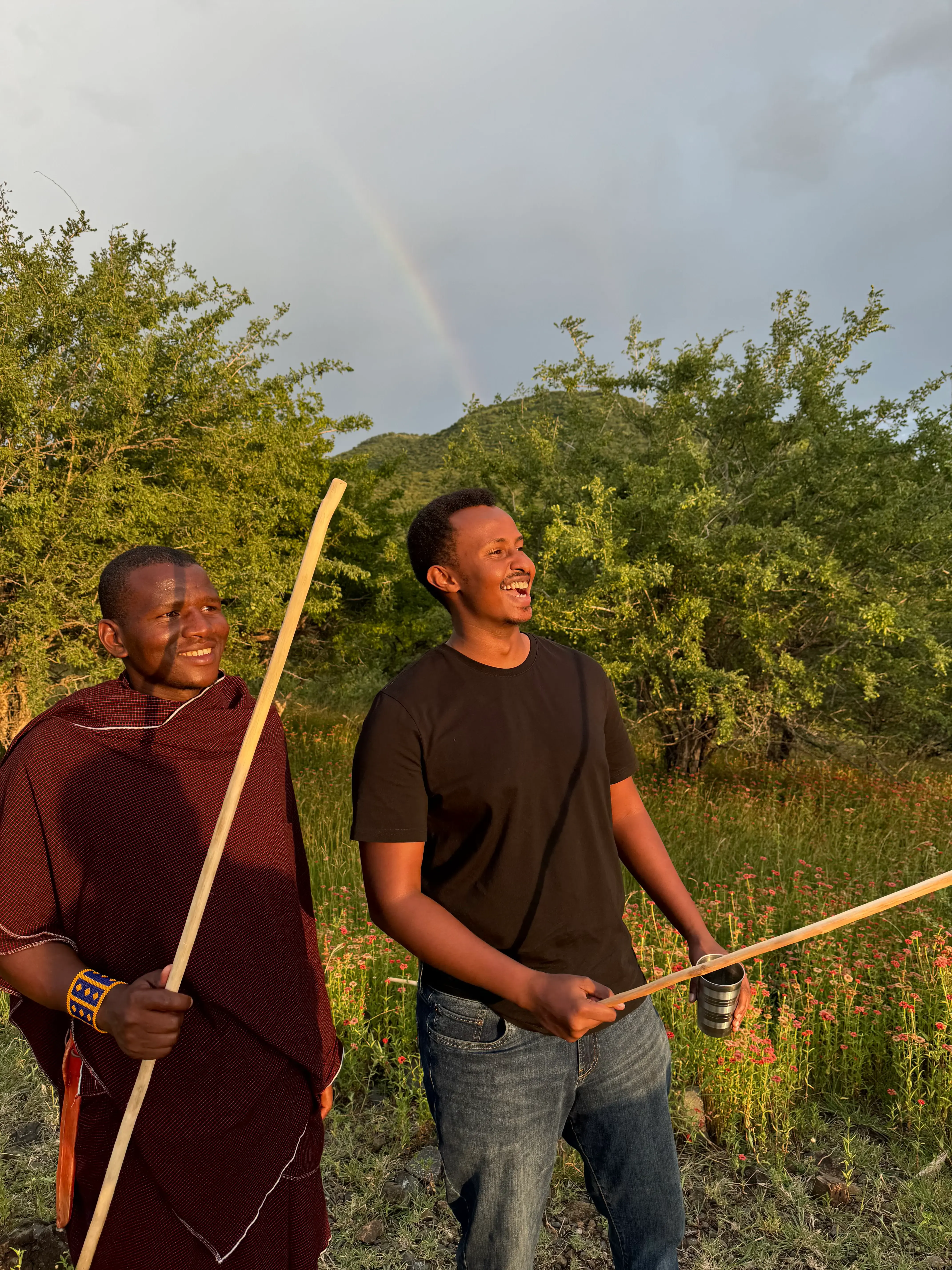
Weather: Dramatic weather creates the most interesting landscapes. Storm clouds, rainbows, and atmospheric conditions add mood and drama to images.
Plan Your Tanzania Safari
Ready for your adventure? Book your safari with Trail Safari Explorers.
Read our timing guide,cost guide, or planning guide.
Read our sunset sunrise guide,photography guide,best photography safari guide, or aerial photography guide.
Explore Serengeti National Park,Ngorongoro Crater,Tarangire National Park, or check travel resources.